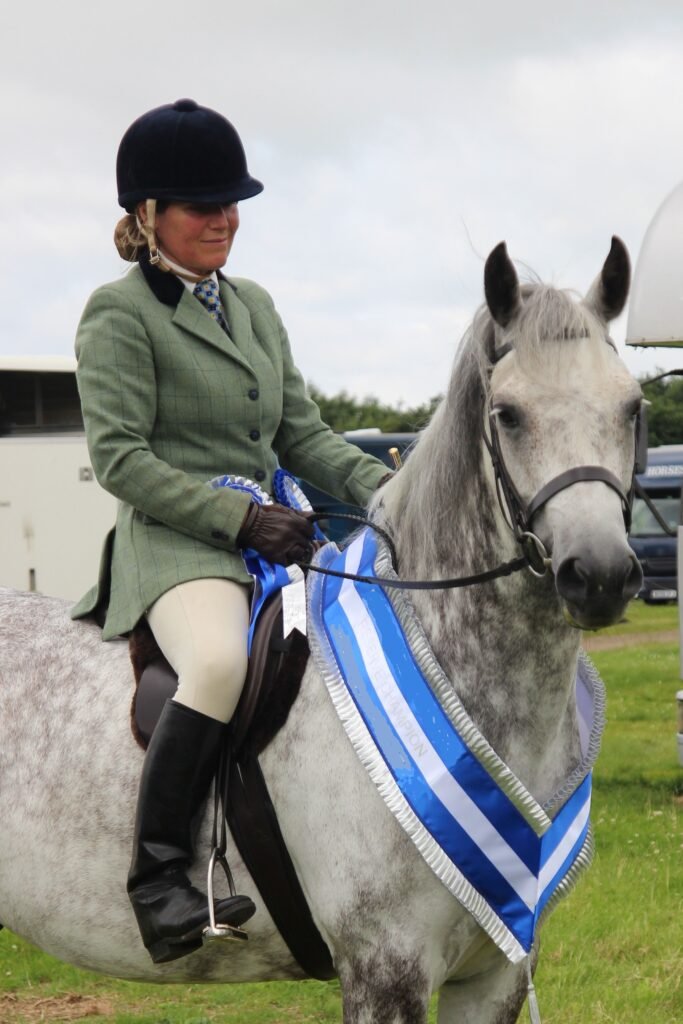
Connemara Pony
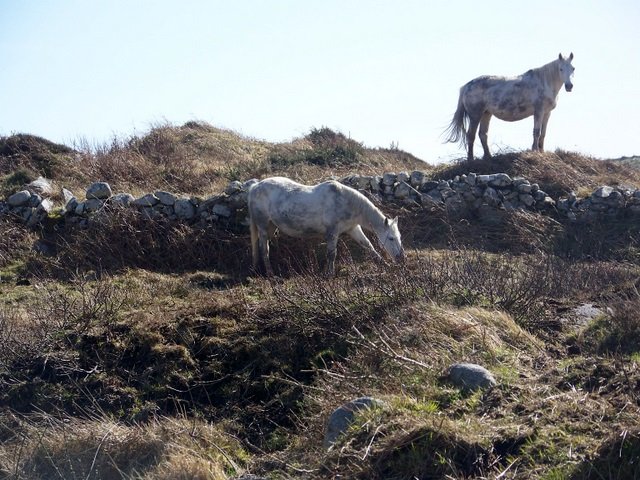
The Connemara pony is one of the most respected native pony breeds in the UK, renowned for its soundness, athletic ability, versatility, and exceptional temperament. Originating from the rugged Connemara region of County Galway in the west of Ireland, the breed developed to survive harsh conditions while remaining capable of carrying adults, working on farms, and excelling under saddle.
In UK shows, Connemaras are judged not only on beauty but on functional, correct conformation and traditional turnout that reflects the breed’s origins. This guide follows the standards used by British Connemara Pony Society (BCPS) and Mountain & Moorland classes in the UK.
Judges first assess the breed type — the overall look and feel of a true Connemara pony.
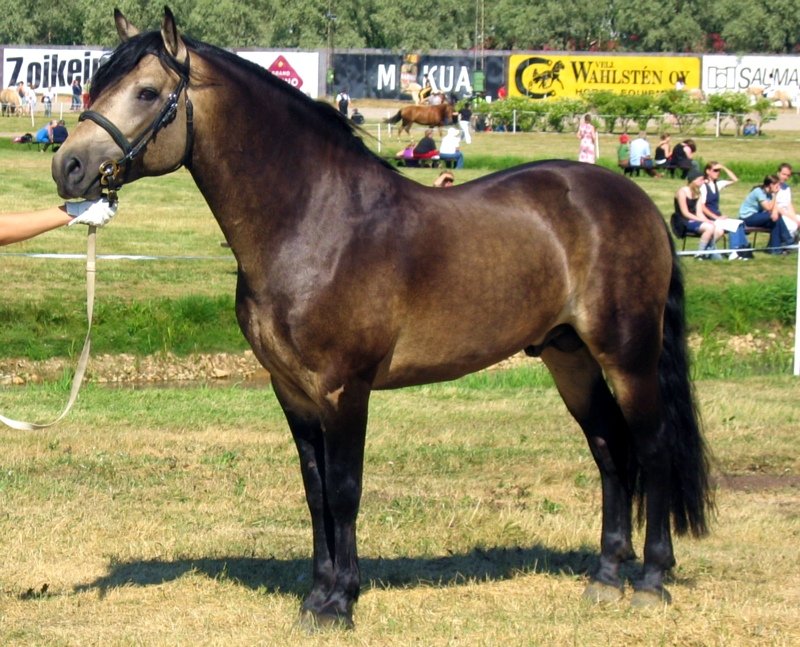
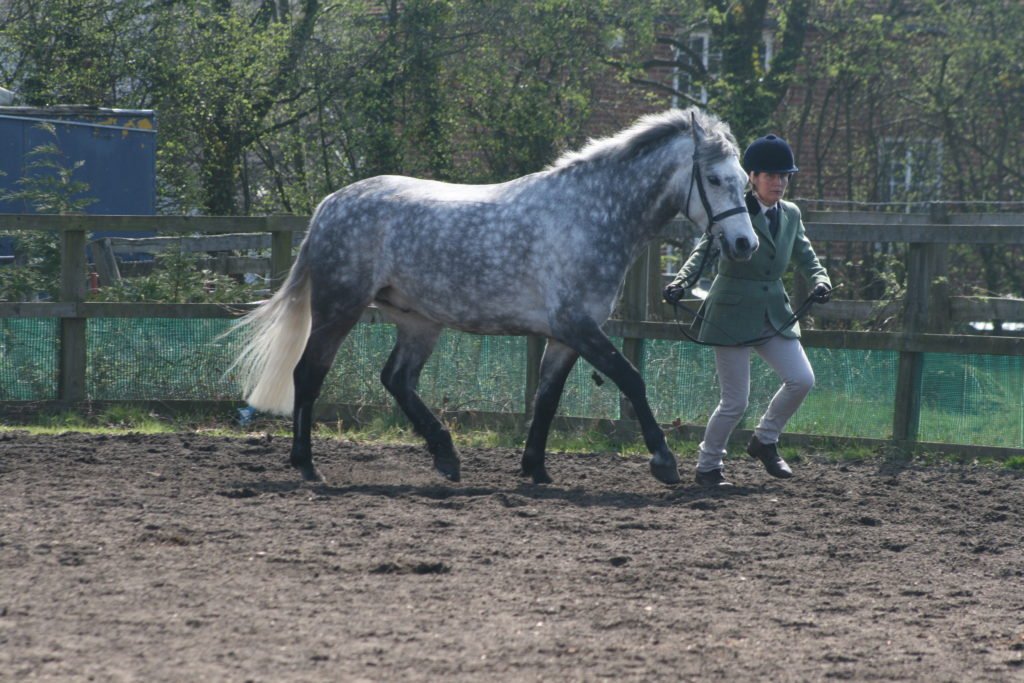
The ideal Connemara should be
- Compact, balanced and athletic
- Strong without being coarse
- Deep through the body with good heart room
- Standing on relatively short but powerful legs
- Clearly a pony, not a small horse
- Showing soundness, agility, and a calm, intelligent temperament
Height & Substance
- Ideal height range: 128 cm – 148 cm (12.2hh – 14.2hh)
- Ponies exceeding height limits may be registered but cannot achieve top classification in BCPS inspections
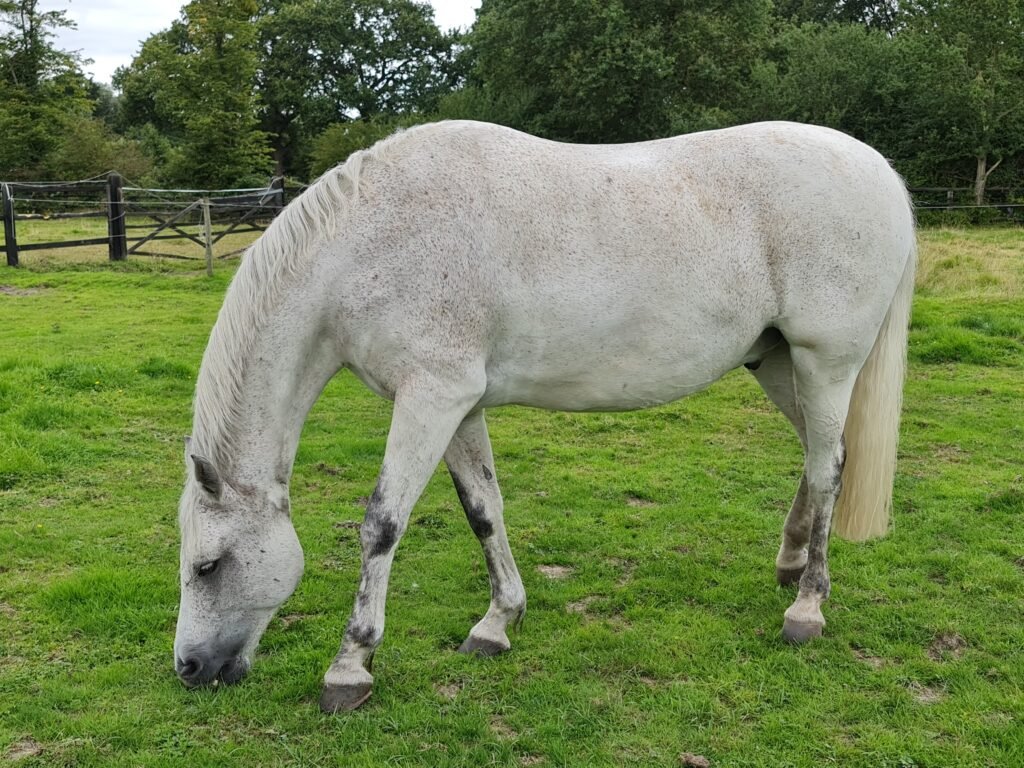
- Strong, dense bone is expected, with short, flat cannon bones
Head
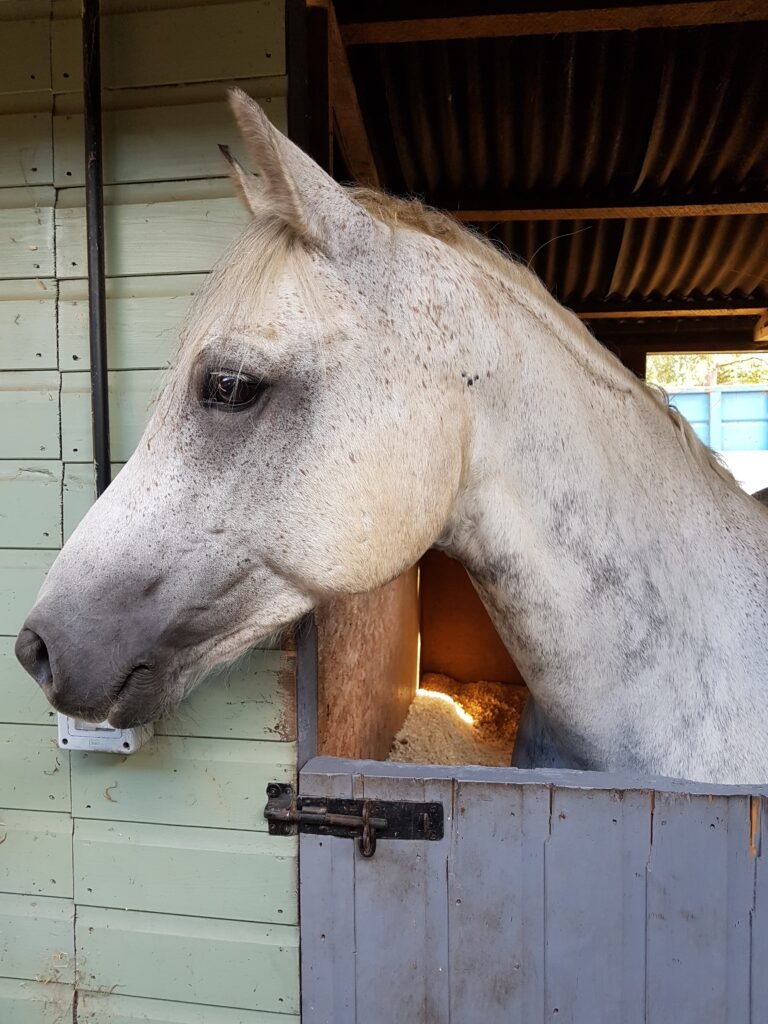
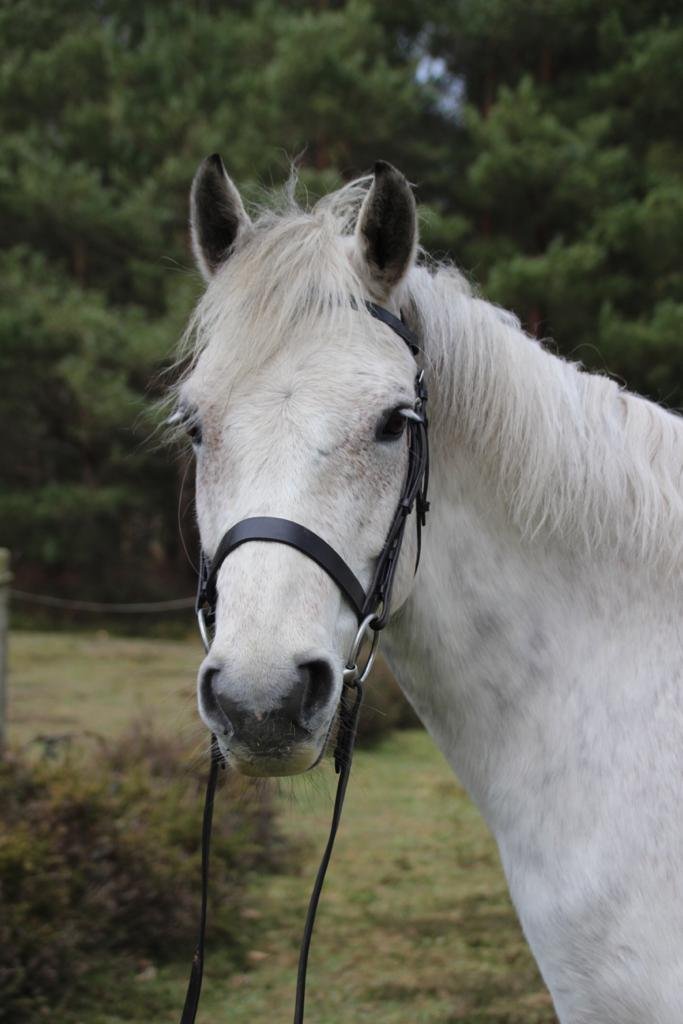
- Pony‑type head of medium length
- Large, kind eyes
- Small, alert ears
- Defined cheekbones
- Strong jaw
Neck
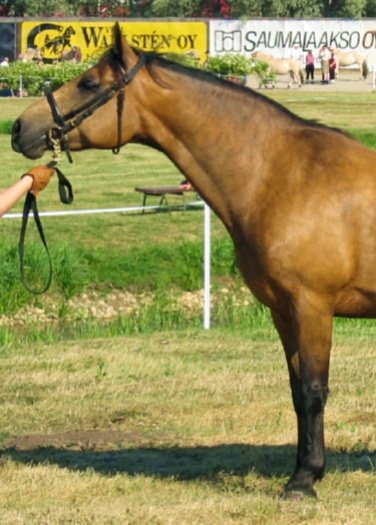
- Well set onto shoulder, medium length
- Smooth throatlatch
- Neither low-set nor overly crested
Shoulder, Withers & Forehand
- Shoulder well laid back and sloping
- Withers defined
- Neck flowing smoothly into shoulder
- Upright or heavy shoulders penalised
Body, Back & Loins
- Deep chest with good heart and lung room
- Well‑sprung ribs
- Strong, level back
- Broad, muscular loins
- Some back length acceptable if well supported
Hindquartes & Balance
- Strong, muscular quarters
- Well developed gaskin
- Short cannon bone
- Low, well-aligned hocks
- Balanced with forehand for impulsion and jumping
Forelegs
- Strong forearm, well-defined knees
- Short, flat cannon bones
- Correct alignment front and side
Pasterns & Hooves
- Medium length pasterns with correct slope
- Medium, hard, well-shaped hooves
Colours
- Accepted colours: grey, bay, brown, black, dun, palomino, cream variants, occasional chestnut or roan
- Piebald or skewbald not accepted for BCPS-registered ponies
- Colour does not affect conformation scores
Movement & Temperament
- Free, easy, ground-covering
- Straight and balanced at walk, trot, and canter
- Shoulders and hindquarters working evenly
- Flashy action is unwanted in UK breed classes
- Kind, intelligent, and willing
- Sensible and trainable
- Calm and mannerly in hand and under saddle
- Sure-footed and hardy
In‑Hand Showing
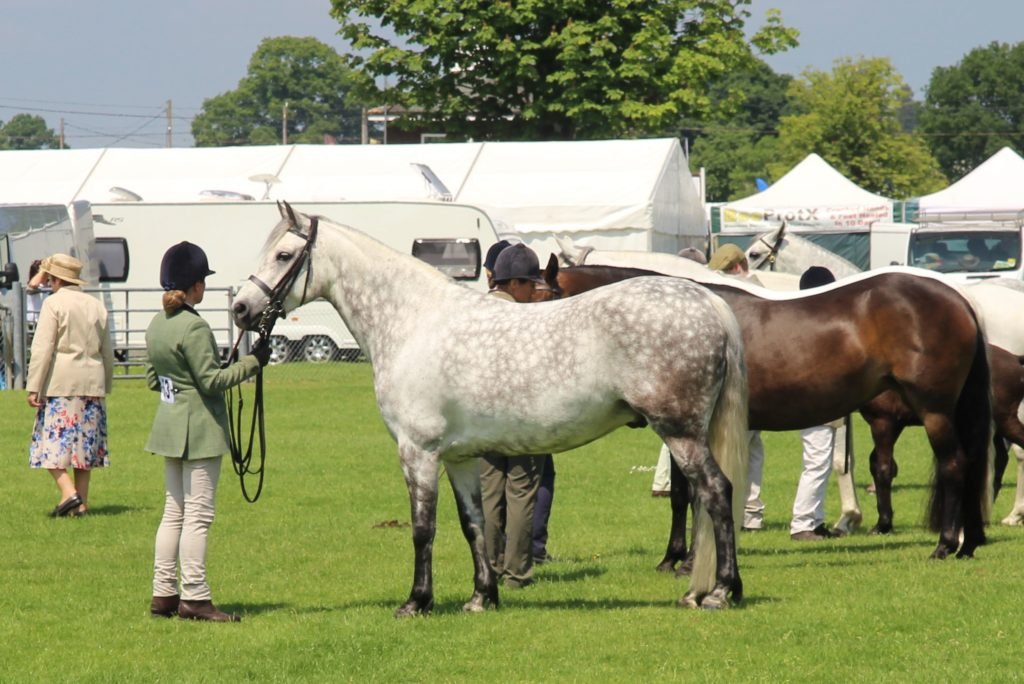
Your pony should (obviously) have a spotlessly clean coat. Many of us consider pulling the mane, trimming tail, “whiskers” around the nostrils, and feathers – DON’T! Mane, head, legs, and tail should be left natural and unplaited in BCPS/M&M breed classes. Hooves need to be clean and can get lightly oiled if needed.
The main takeaway is that your Connemara pony should be shown as natural as possible😎
The handler should wear smart closing with a shirt and tie, as well as a tweed jacket, appropriate shoes/boots, and a helmet. Gloves are optional – but, personally, I will always wear them. Another word on your closing: I like wearing pants which are distinctively different in colour of my horses legs to make sure that the judges don’t struggle to “separate” my legs from the horse’s legs.
Tack
- Plain leather bridle or headcollar
- Snaffle lead for most ponies
- Stallions may use stallion bridle and chain
Presentation
- Pony stood square on all four legs
- Show the pony in free walk and trot on a loose, but short rein. If you have too much tension on the rein, while running, your pony will most likely tilt his head and look off-balance.
- Good manners, such as standing still, are essential. I keep practising a prompt move-off and quiet halt on a regular basis – while walking back from the field, or any random place/moment.
Ridden Showing
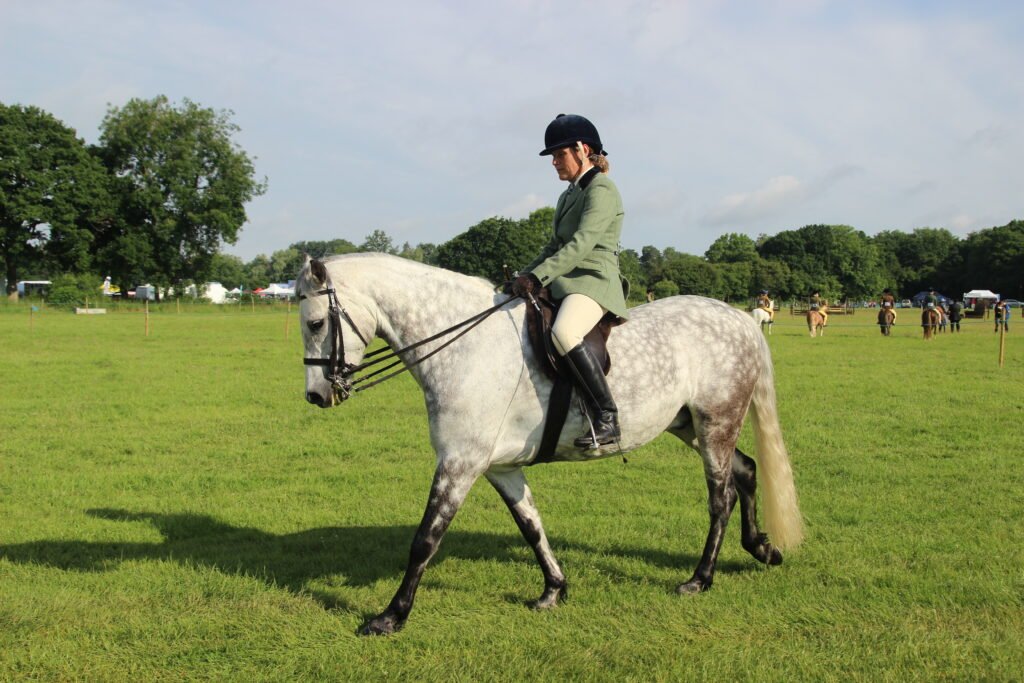
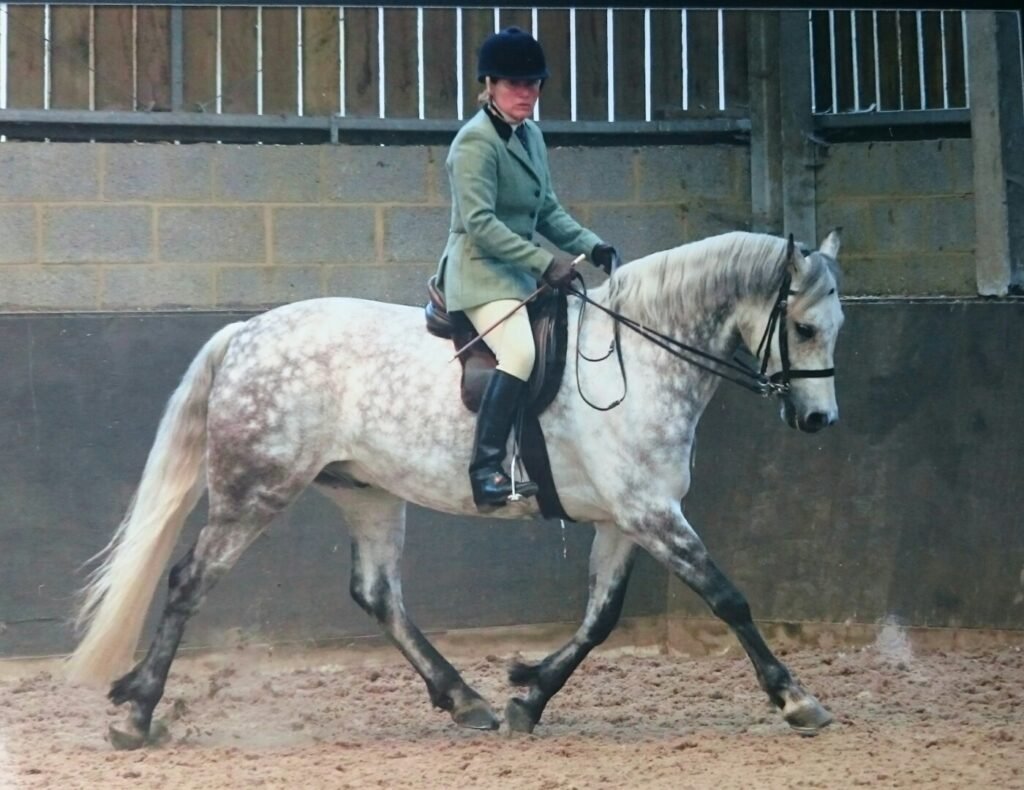
Just as in the in-hand classes, the pony needs a clean coat and keep a natural mane, tail, and feathers in breed classes. Some ridden classes, such as hunter or open ridden classes, may offer an opportunity for plaiting (if you love the look). Judges love a traditional Connemara pony Riders need to wear a tweed jacket (show jacket will do in the beginning), cream breeches/jodhpurs, long/short riding boots, helmet, gloves (invest in some nice leather gloves, instead of white dressage ones).
Tack
- Clean, well-fitted saddle and bridle
- Simple snaffle preferred
- Plain browband and noseband
- Discreet saddle pad/numnah
Presentation
- Let your pony travel freely to show the natural movement. Don’t think too much “dressage”.
- That will help you to show correct paces, which you should enhance with good fluent transitions.
- Judges tend to look to one side of an arena with large classes. Prepare “your moment” on the opposite side and in the corner (don’t get trapped behind a slow pony, and watch out for other riders blocking the judges view).